2026 AAIS AI Frontier Forum to be held at Wuhan University of Science and Technology Hosted by the International Academy of Artificial Intelligence Sciences, the 2026 AI Frontier Forum was held on October 24, 2026, at the Wuhan University of Science and Technology.
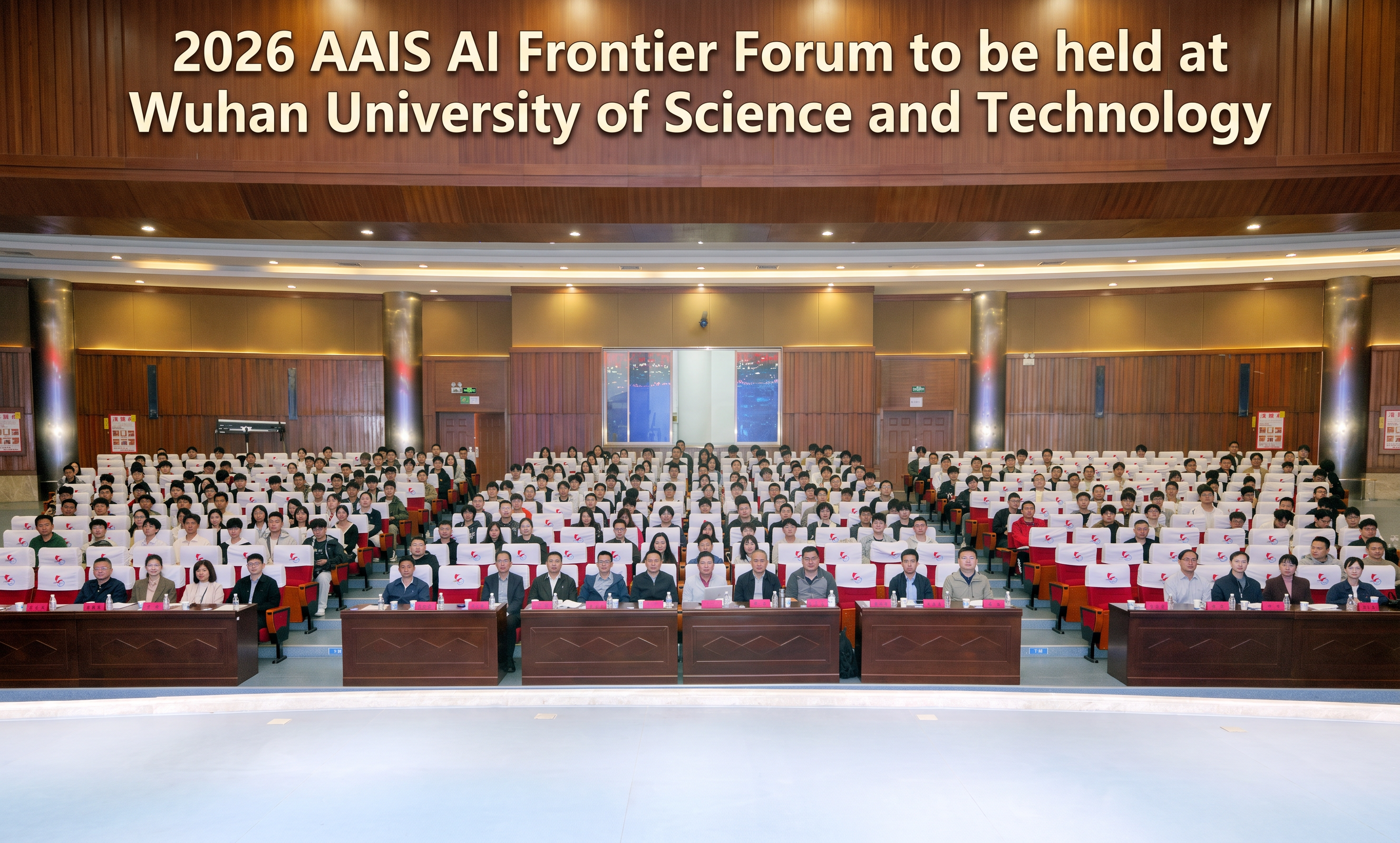
With the theme “Digital Intelligence Leading the Future, Innovation Driving Development,” the forum will focus on frontier AI technologies and their theoretical research and application status in fields such as intelligent information processing and network optimization, embodied intelligence and intelligent robots, intelligent analysis and control technology, and smart energy and power systems. It aims to jointly discuss project cooperation, explore new industrial development, share resource platforms, and serve the “Hubei 51020 Industrial Cluster.” The forum invited a number of renowned experts and scholars to give lectures and provide opportunities for exchange and cooperation among peers and young scholars.
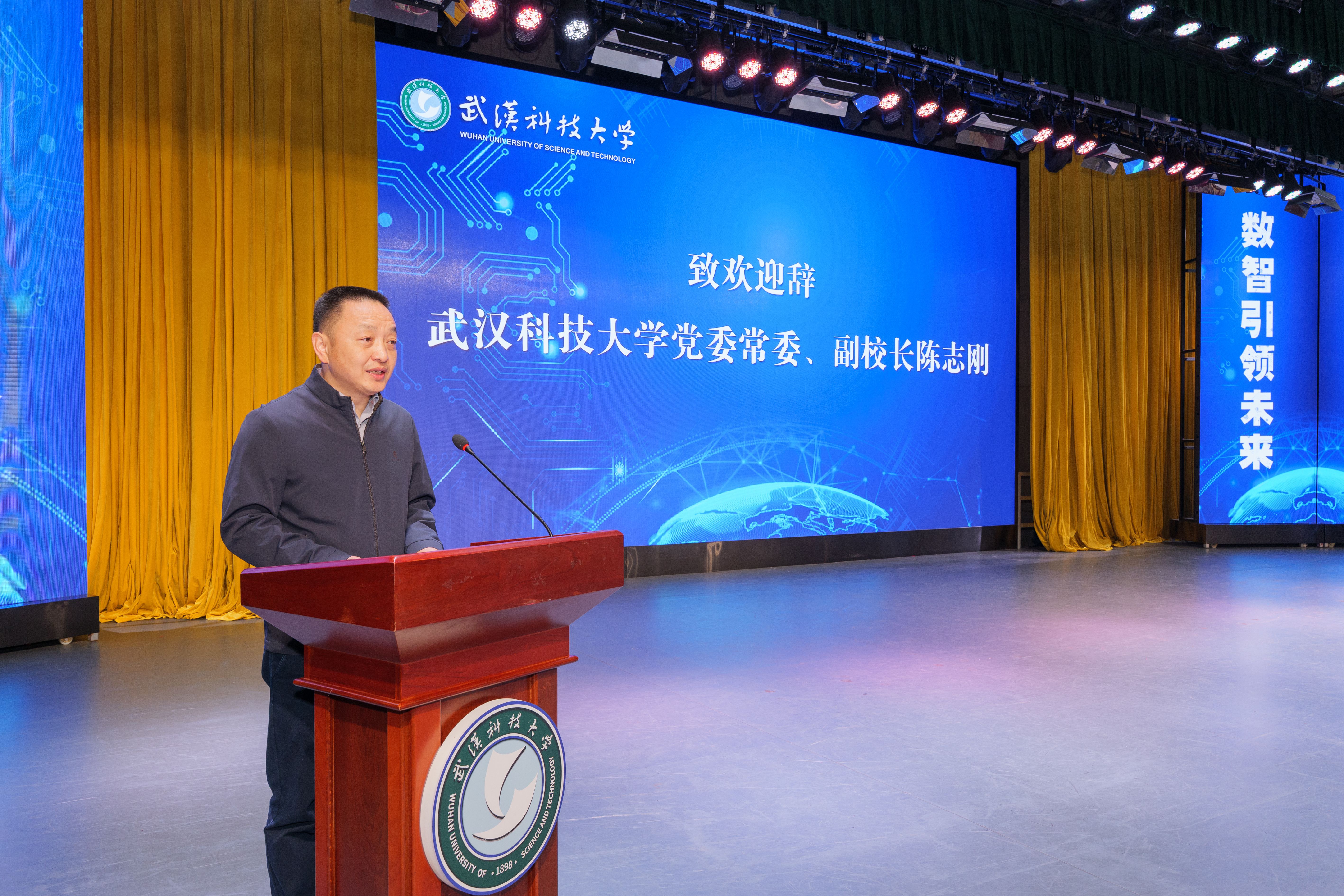
The opening ceremony of the conference was chaired by Liu Bin, Dean of the School of Artificial Intelligence and Automation. Chen Zhigang, Vice President of the Wuhan University of Science and Technology, delivered a speech.
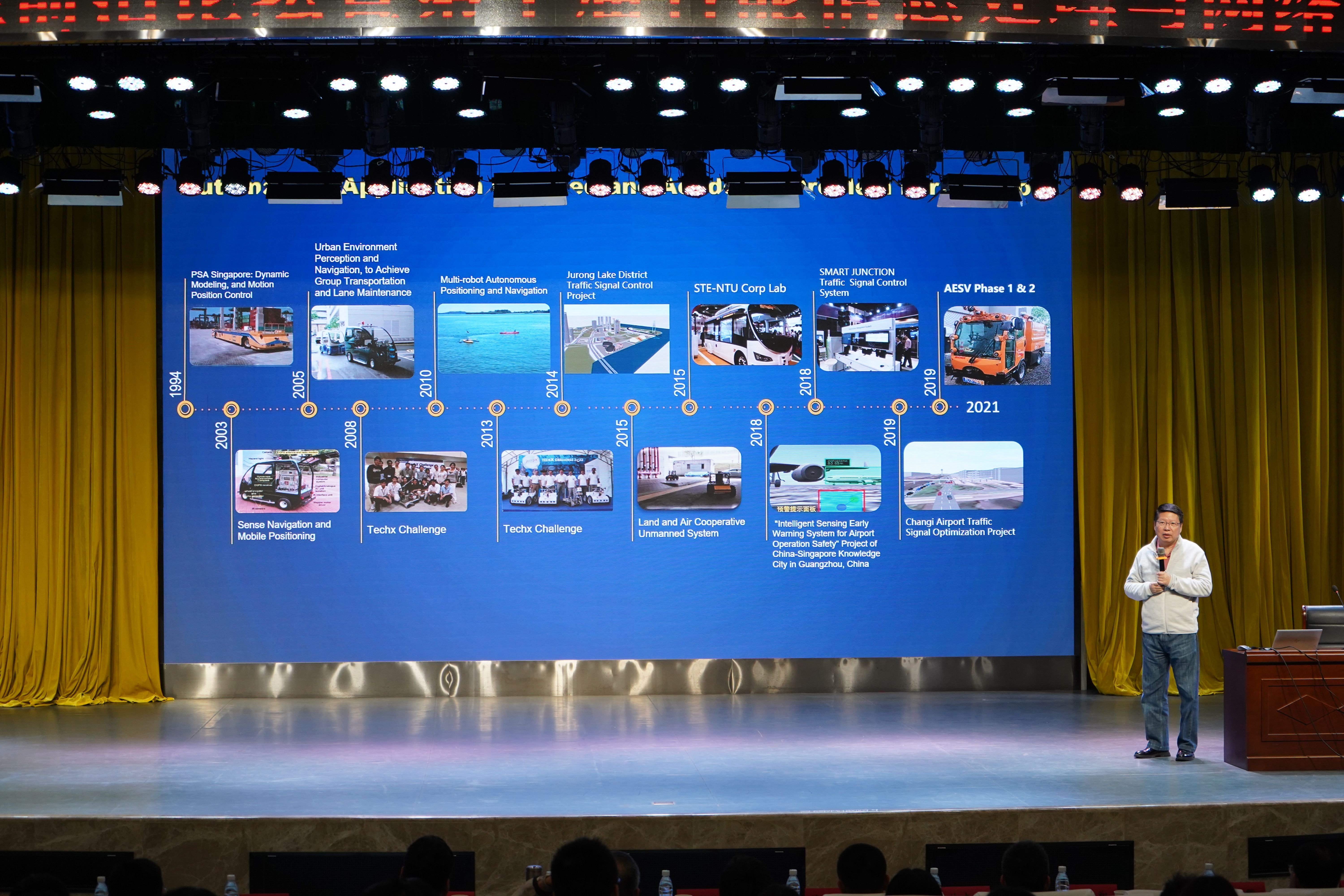
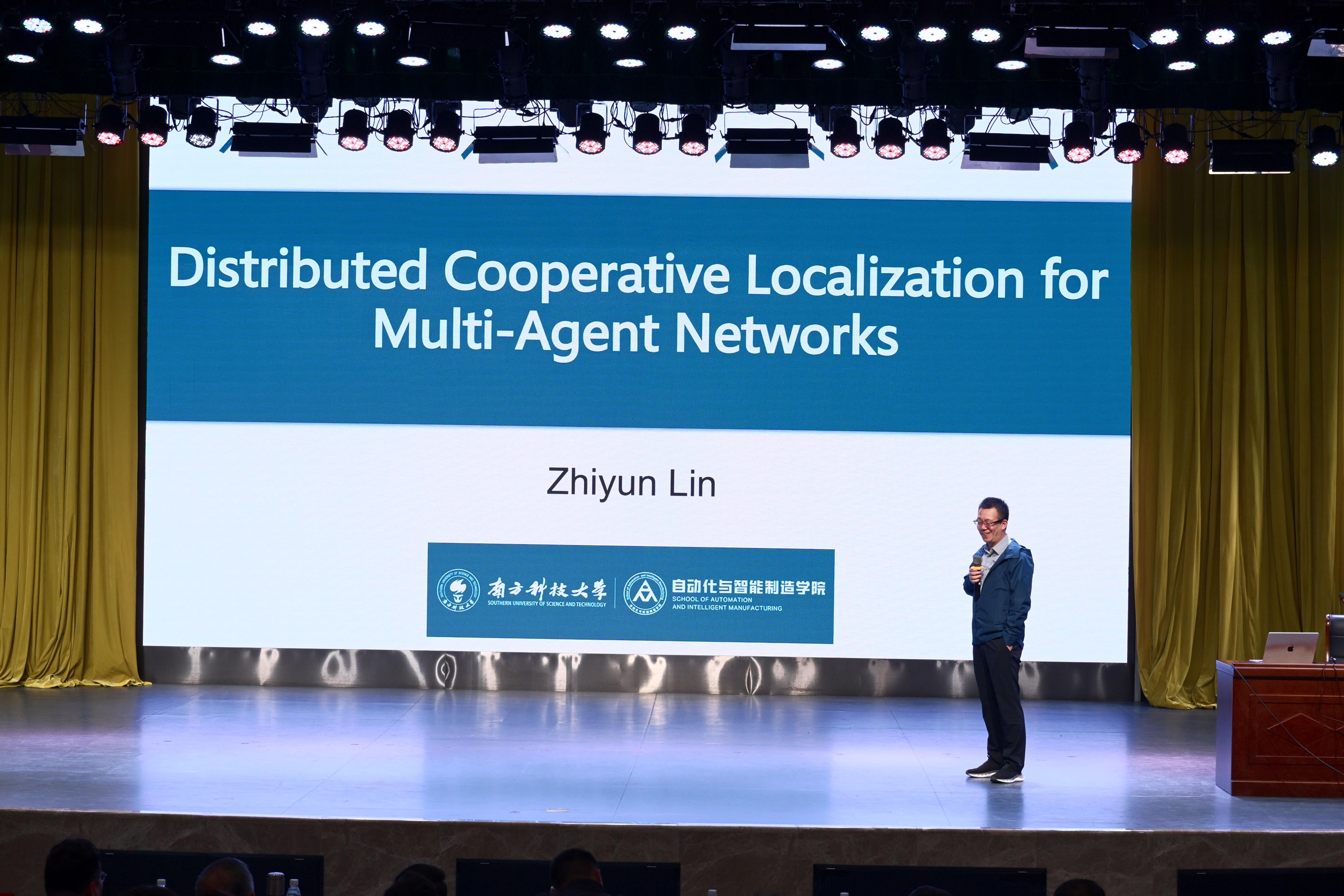
The conference featured four keynote reports: Prof. Wang Danwei from Nanyang Technological University gave a report titled “Absolute Positioning for AMR-Ambient-Magnetic-Field based Approach,” chaired by Prof. Wu Min (China University of Geosciences, Wuhan); Prof. Lin Zhizan from Southern University of Science and Technology gave a report titled “Distributed Cooperative Localization for Multi-Agent Networks”; Prof. Yu Xiang from Beihang University will give a report titled “Key Technologies and System Development of Bionic Intelligent Driving for Unmanned Aerial Vehicles,” chaired by Prof. Chen Xi (Wuhan University of Science and Technology); and Prof. Feng Yu from Zhejiang University of Technology will give a report titled “Networked Robust Optimal Estimation: Stability, Quality and Conservatism.”
Keynote Report Abstracts
Keynote Report 1: Absolute Positioning for AMR-Ambient-Magnetic-Field based Approach (Prof. Wang Danwei, Nanyang Technological University) Addressing the positioning challenges of autonomous mobile robots in degraded environments, the report proposes a positioning solution based on ambient magnetic fields (AMF). It uses the Earth’s natural magnetic field and AI technology to extract magnetic features and construct an AMF map, which can output absolute position coordinates with 10-centimeter-level accuracy. The solution can work independently or complement LiDAR SLAM, and combines VLA methods to achieve obstacle avoidance.
Keynote Report 2: Distributed Cooperative Localization for Multi-Agent Networks (Prof. Lin Zhizan, Southern University of Science and Technology) Starting from often-overlooked issues in multi-agent network localization, the report establishes rigorous theoretical conditions for node localizability, proposes a distributed algorithm to verify self-localizability within a finite time, and presents a robust localization algorithm that avoids error propagation.
Keynote Report 3: Key Technologies and System Development of Bionic Intelligent Driving for Unmanned Aerial Vehicles (Prof. Yu Xiang, Beihang University) Addressing the insufficient autonomy, safety, and intelligence of unmanned aerial vehicles in strongly interfering and confrontational environments, the report introduces research progress and system development applications from the perspective of bionic intelligence, including risk learning and prediction algorithms, bionic intelligent navigation, bionic dexterous manipulation, and safety control.
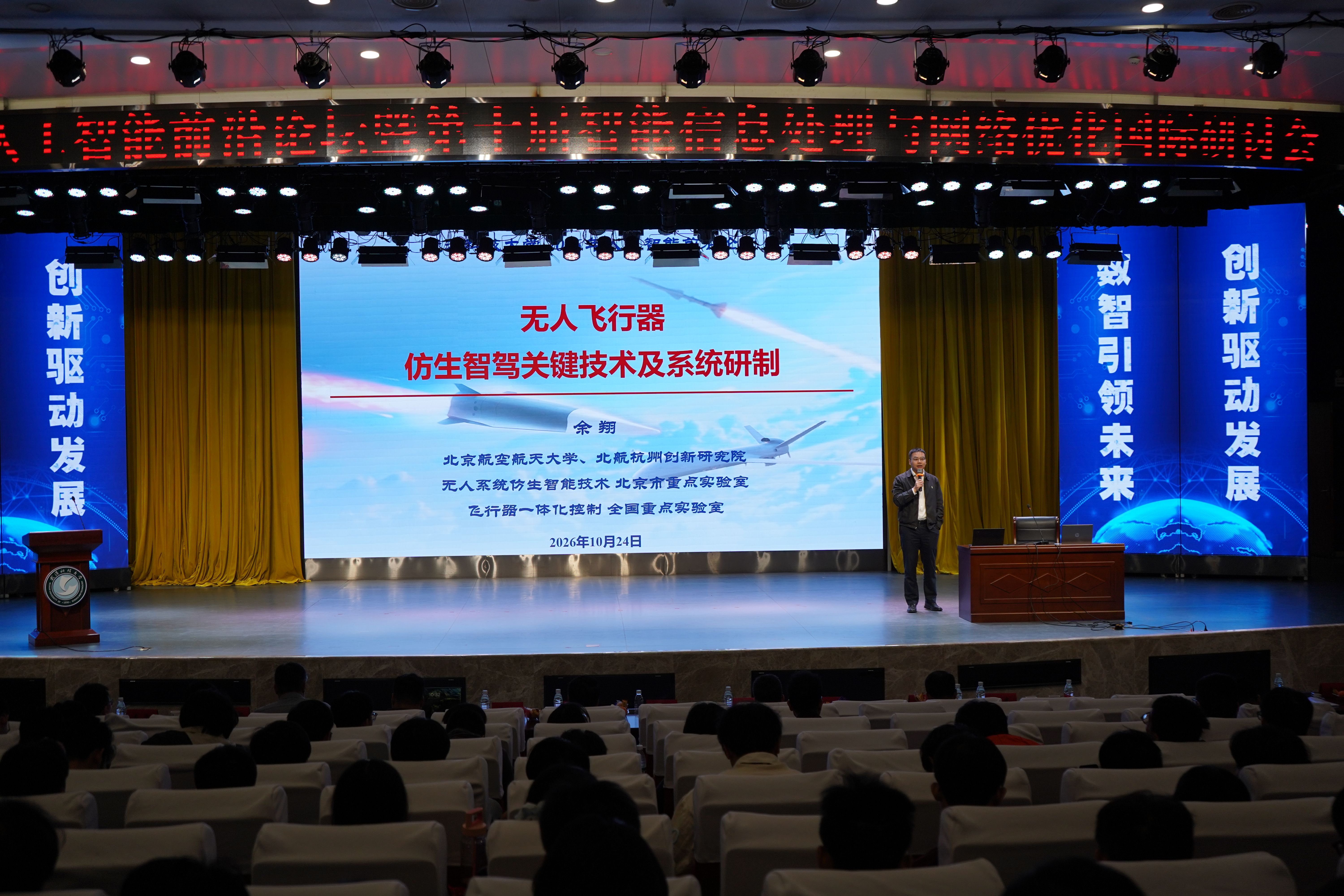
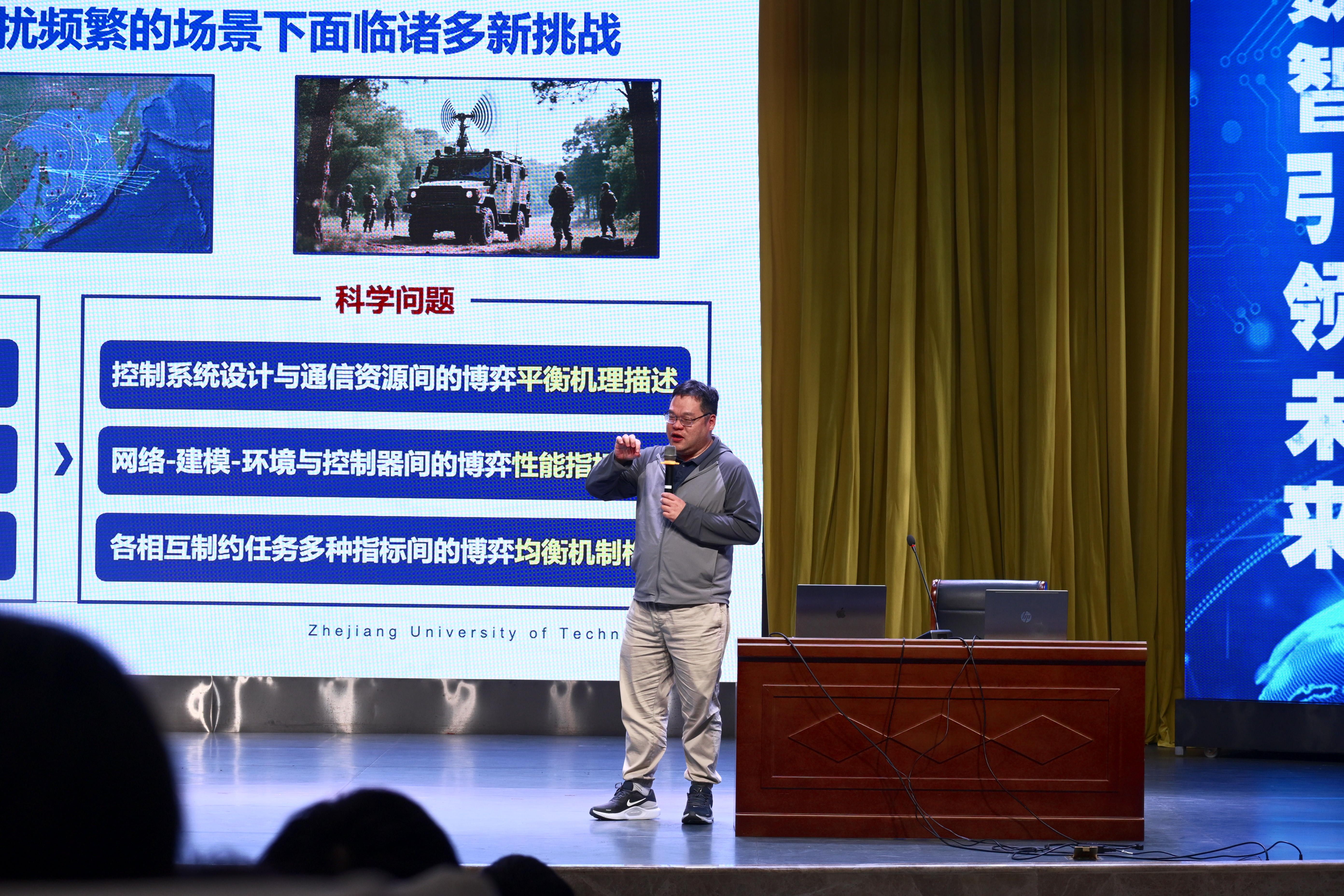
Keynote Report 4: Networked Robust Optimal Estimation: Stability, Quality and Conservatism (Prof. Feng Yu, Zhejiang University of Technology). The report introduces research progress in networked robust optimal state estimation, discusses the essential constraints imposed by network channels on system design, designs remote estimators through a non-zero-sum game approach, and proposes new design methods to reduce system conservatism.
Sub-forum 1: Embodied Intelligence and Optimization
Frequency Synchronization of Networked Systems (Prof. Chen Zhiyong, University of Newcastle, Australia). The report proposes a new formulation for frequency synchronization of frequency-modulated multi-agent systems and addresses issues such as frequency observation of nonlinear frequency-modulated oscillators, frequency consensus under network interaction, and small-gain conditions.
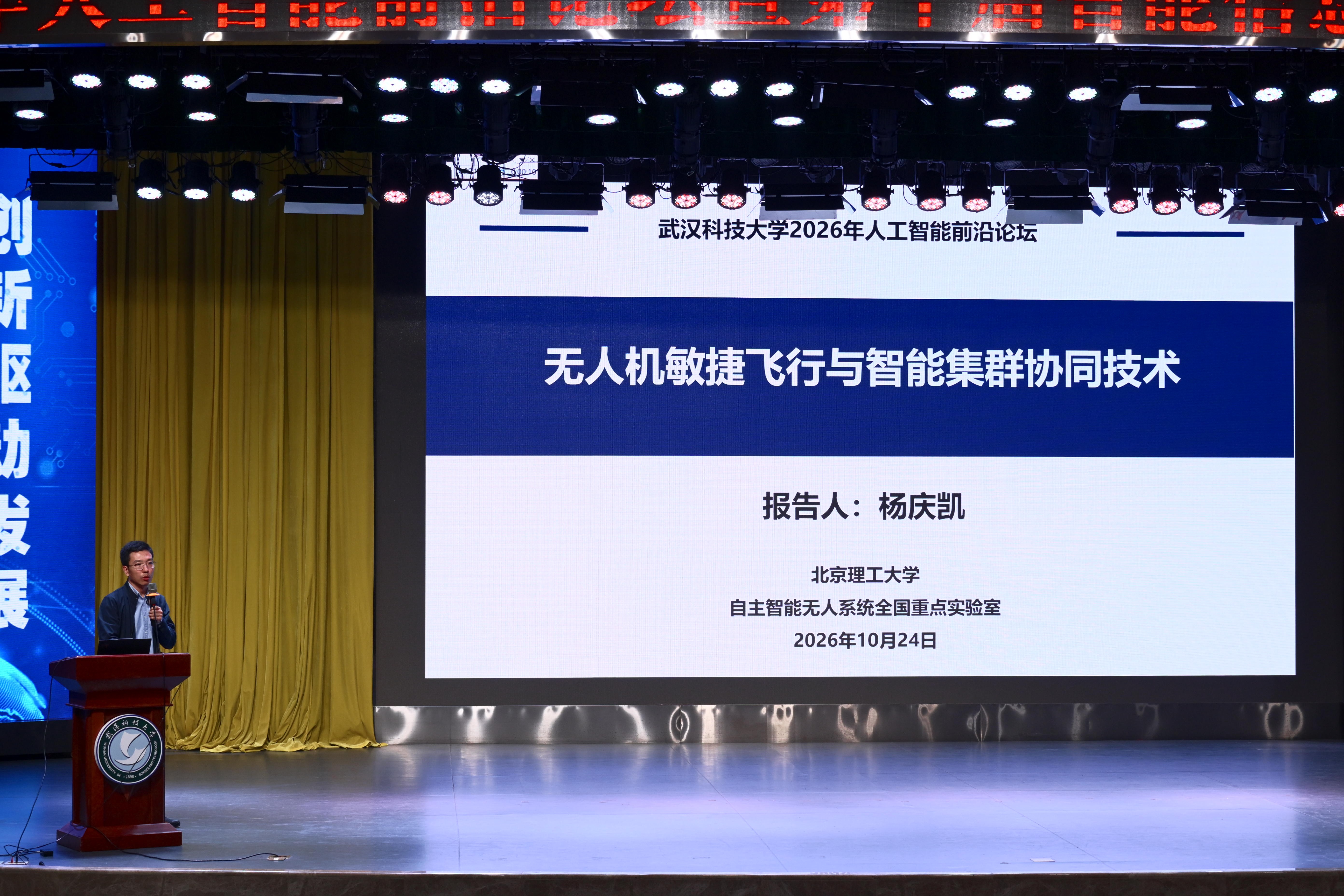
Agile Flight and Intelligent Swarm Collaboration Technology for UAVs (Prof. Yang Qingkai, Beijing Institute of Technology) The report introduces research progress in intelligent perception trajectory planning, physical interaction, and swarm collaboration, including event camera and visible-light camera fusion perception, lightweight trajectory planning based on cloth simulation fields, UAV design capable of contact and collision with the environment, and swarm formation control.
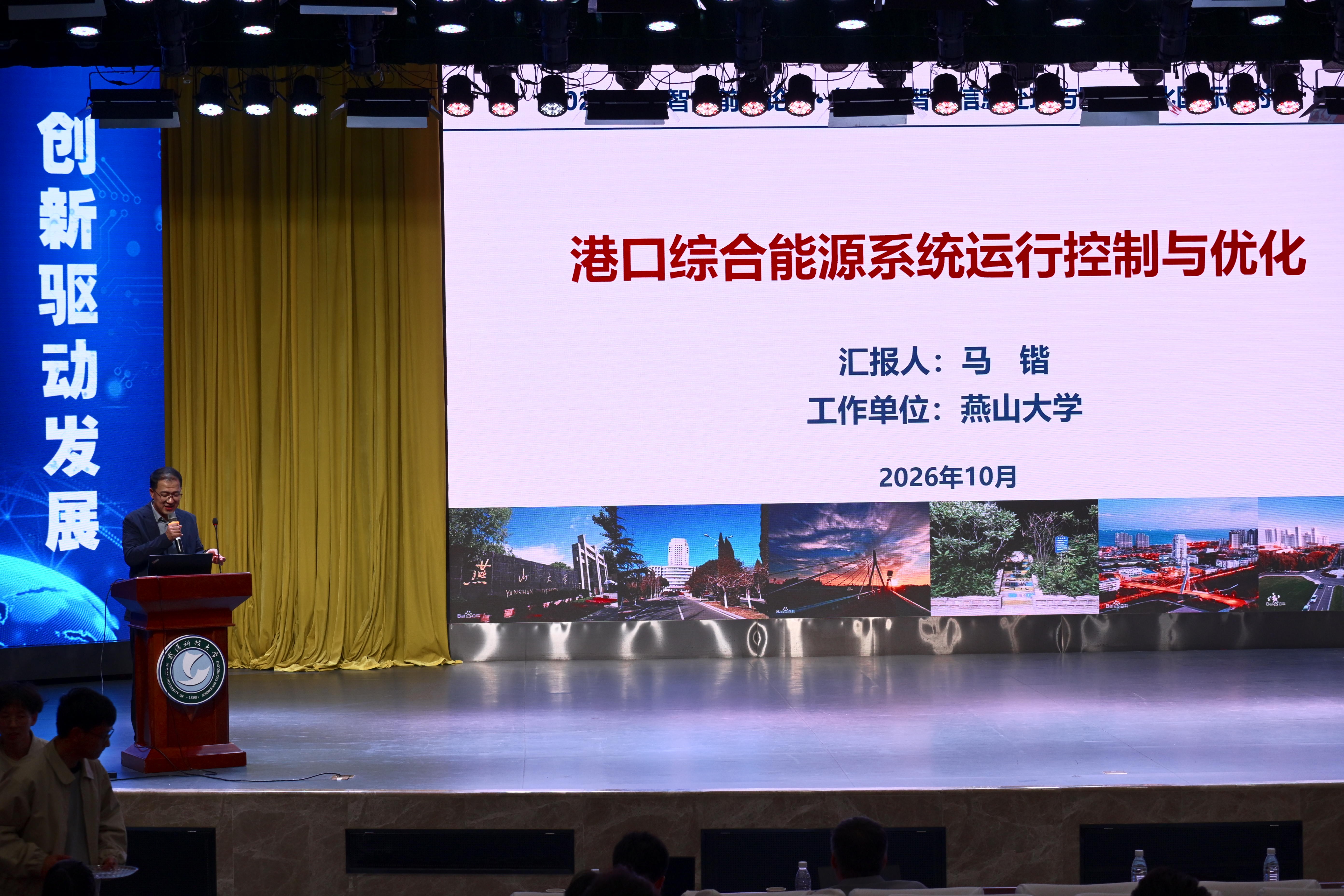
Operation Control and Optimization of Port Integrated Energy Systems (Prof. Ma Cuo, Yanshan University). The report introduces systematic research work on intelligent perception and transmission of source-load information in port integrated energy systems, coordinated control of shore-ship interconnected energy systems, collaborative optimization of energy and logistics, and management and control platforms.
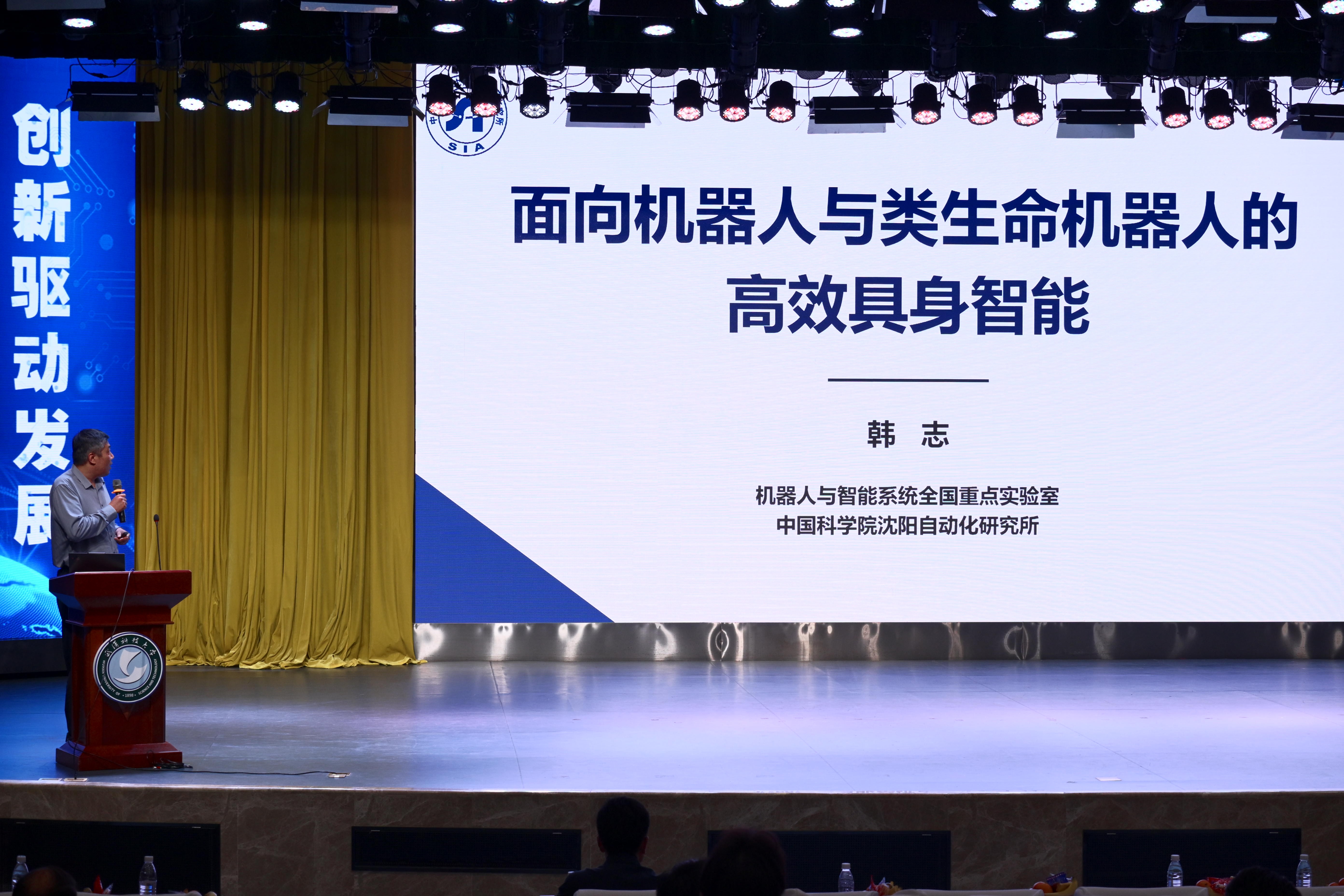
Efficient Embodied Intelligence for Robots and Life-like Robots (Prof. Han Zhi, Shenyang Institute of Automation, Chinese Academy of Sciences). The report introduces research on lifelong learning for embodied intelligence, ultra-high-rate parameter compression and optimal architecture design for networks, and life-mechatronics integrated life-like intelligence, exploring new paradigms of AI generation.
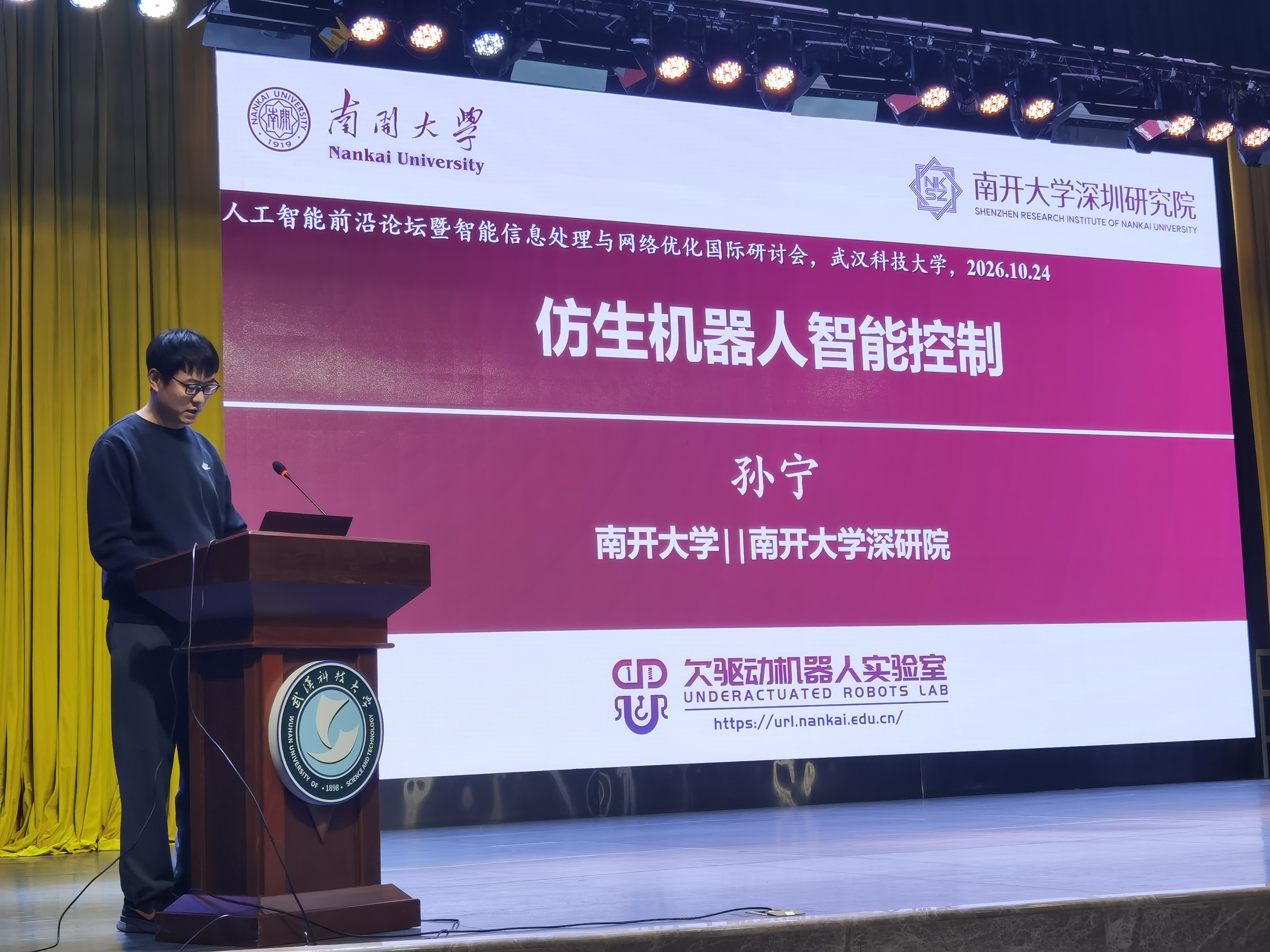
Intelligent Control of Bionic Robots (Prof. Sun Ning, Nankai University). Addressing challenges such as strong nonlinearity, hysteresis, and time-varying characteristics of pneumatic bionic robots, the report introduces research work on modeling, planning, and control, looks forward to future directions, and reports research progress on underactuated robots, nonferrous metal ingot finishing robots, and variable-structure robots.
Sub-forum 2: Smart Energy and Power Systems
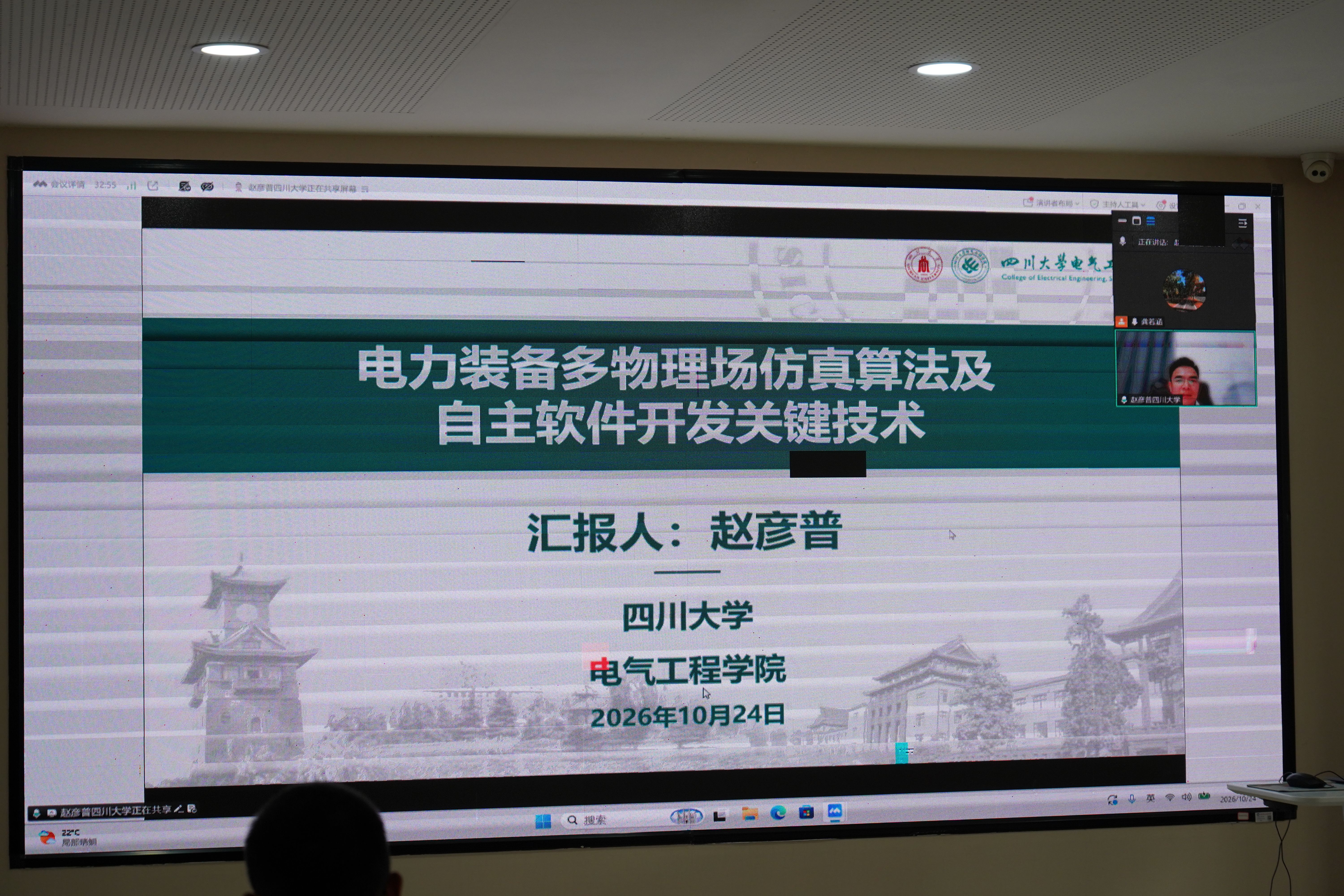
Key Technologies for Multi-physics Simulation Algorithms and Independent Software Development of Power Equipment (Prof. Zhao Yanpu, Sichuan University). Combining scenarios such as motors, transformers, gas-insulated transmission lines, and chip power supply modules, the report introduces electromagnetic field finite element algorithms, field-circuit-motion coupling algorithms, electromagnetic-thermal-fluid multi-physics coupling methods, and experience in independent software development.
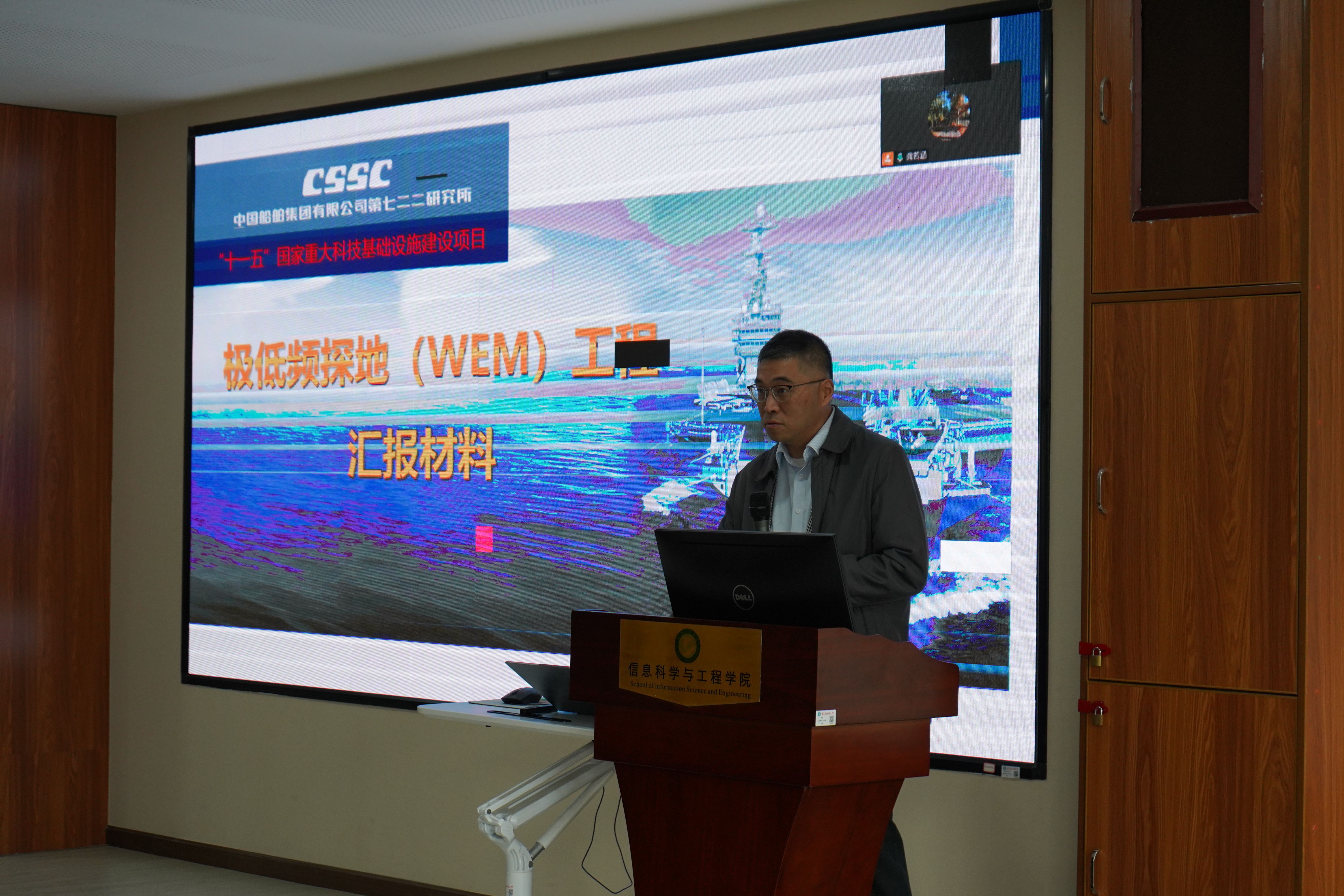
Ultra-low-frequency Earth Exploration Project (Prof. Liu Qing, 722nd Research Institute of China State Shipbuilding Corporation). The report introduces the development of the ultra-low-frequency transmitting station of the National “11th Five-Year Plan” major science and technology infrastructure project “Ultra-low-frequency Earth Exploration Project.” The project has built the world’s first ultra-low-frequency scientific experimental device and can realize deep Earth CT detection.
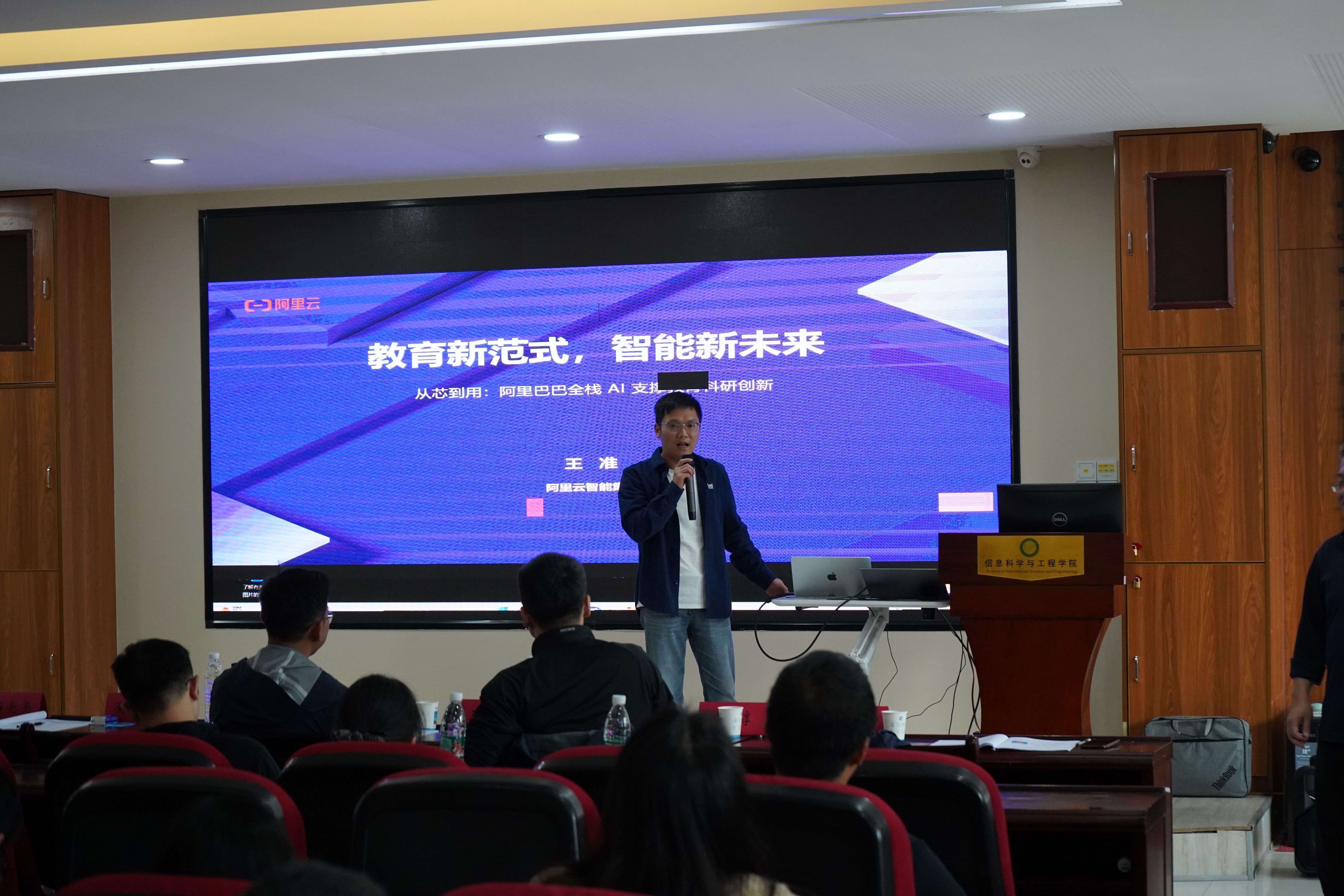
Large Models Driving the Paradigm Shift of “AI + Education” (Wang Zhun, Alibaba Cloud Architect). The report introduces the overview and trends of the AI industry, as well as the paradigm transformation and application scenarios of “AI + Education” empowered by large models.
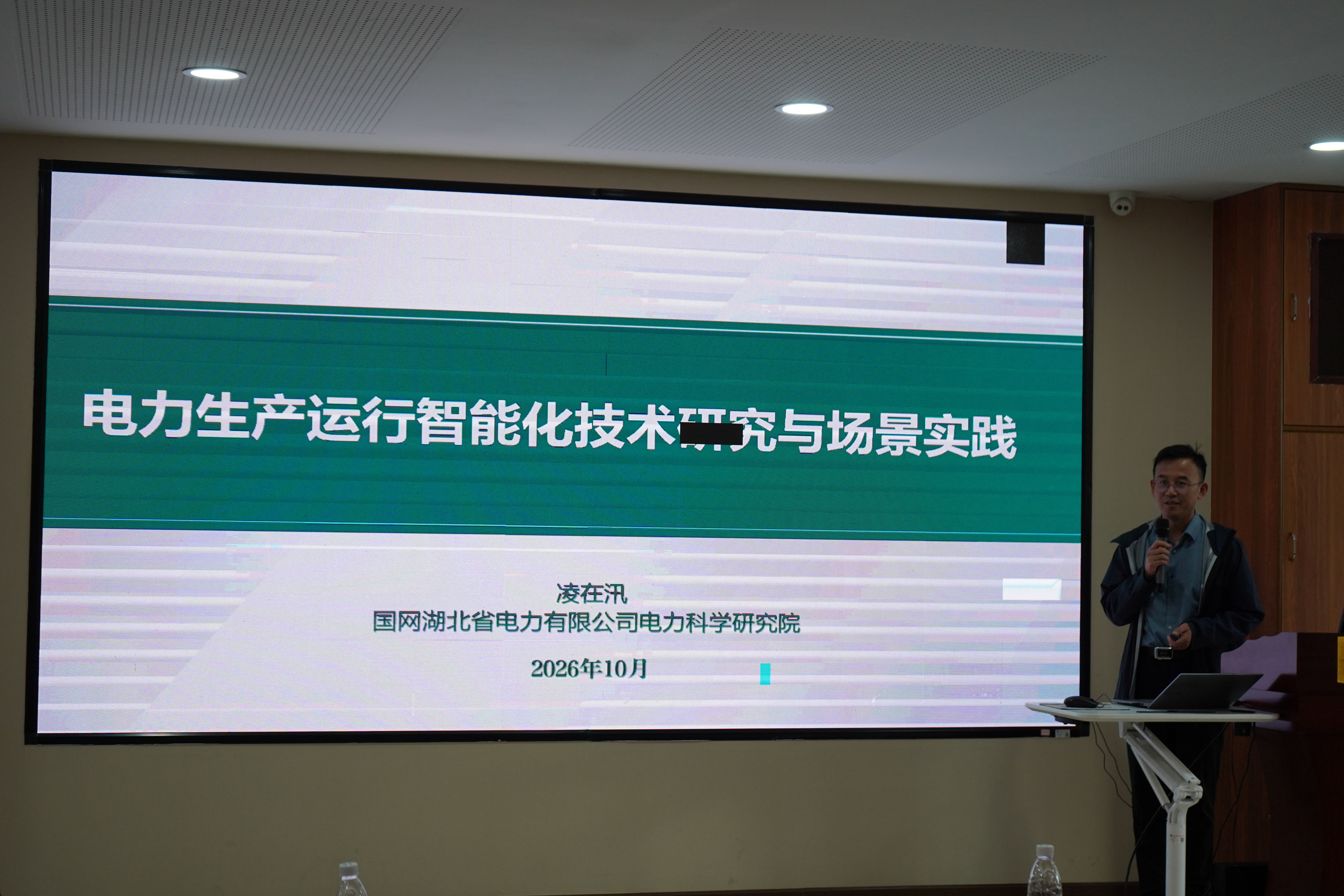
Research and Scenario Practice of Intelligent Technology in Power Production and Operation (Ling Zaixun, Deputy Director of the Hubei Electric Power Research Institute). The report explains the exploration and practice of State Grid Hubei Electric Power in technical research, scenario innovation, and talent cultivation during the digital and intelligent transformation of core production and operation fields such as equipment management, marketing services, and operation scheduling.
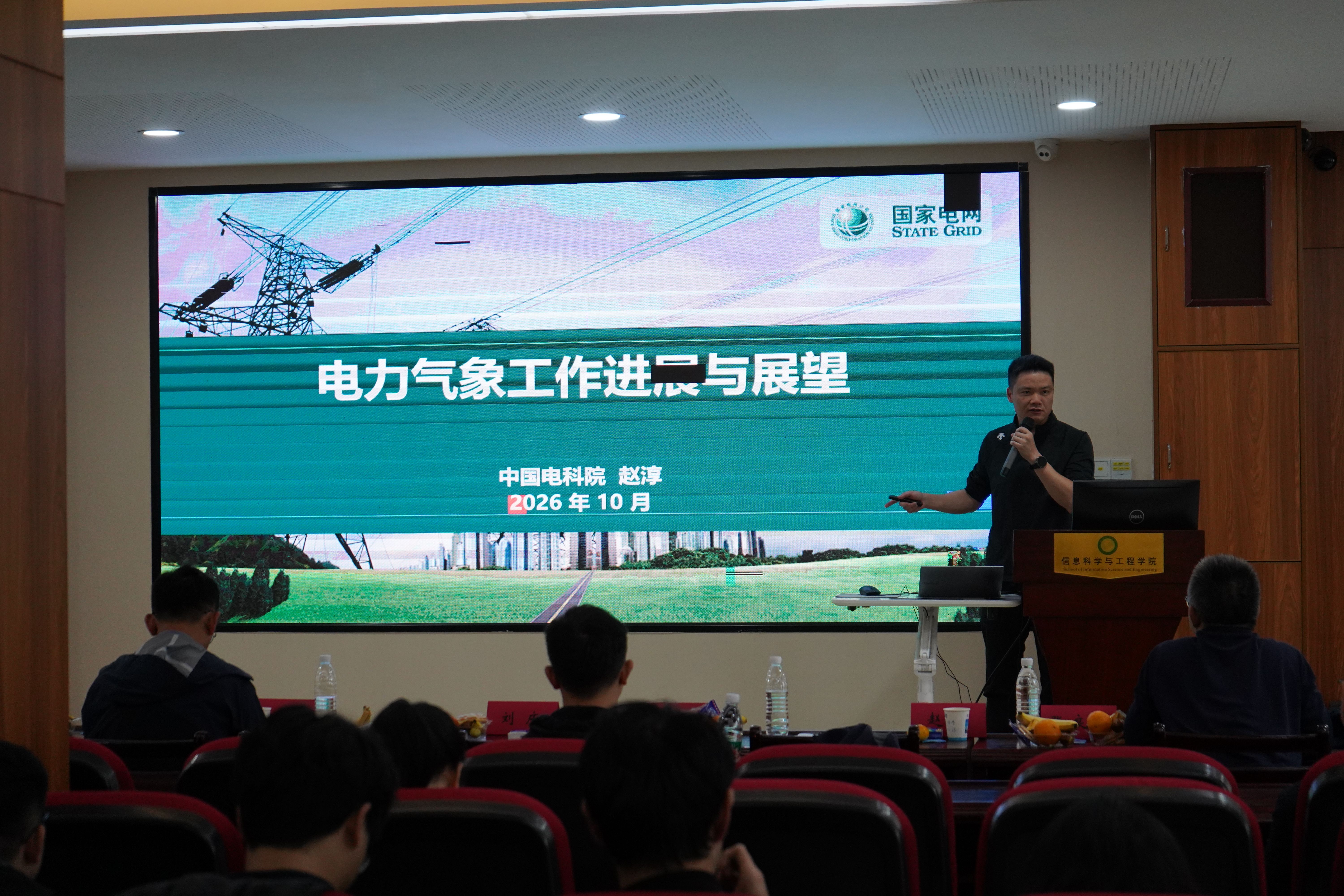
Progress and Prospects of Power Meteorology (Zhao Chun, Professorate Senior Engineer at the Lightning Protection Research Institute, China Electric Power Research Institute). The report unfolds from four aspects: background and necessity, preliminary work, situation and problems, and work directions. It points out that the large-scale integration of new energy and frequent extreme weather make power meteorology increasingly important, and proposes future directions such as strengthening key technology research, improving monitoring and forecasting systems, and promoting data fusion and intelligent platform construction.
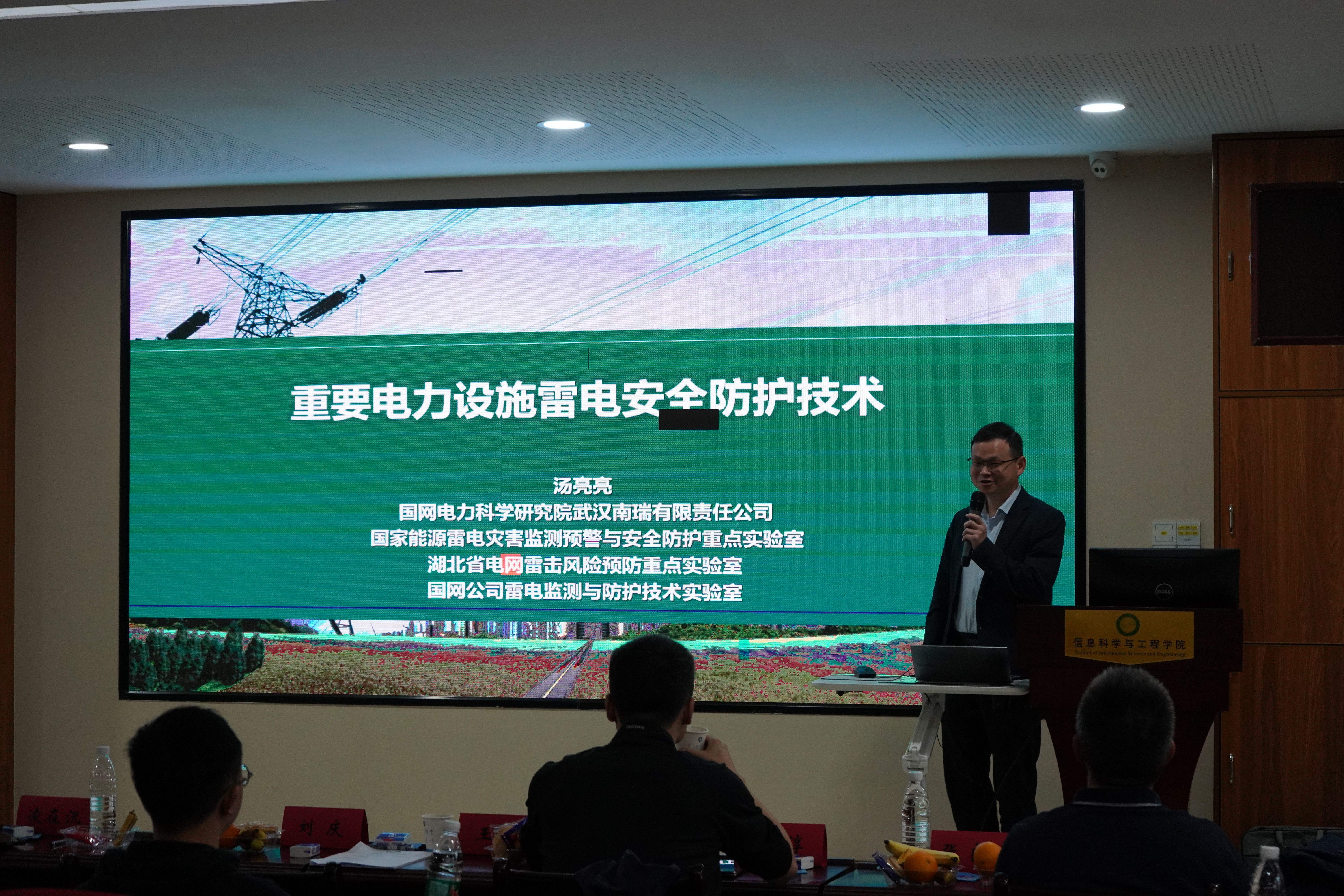
Lightning Safety Protection Technology for Important Power Facilities (Tang Liangliang, Grid Monitoring and Early Warning Center, State Grid Electric Power Research Institute). The report reviews the current status of lightning damage to power facilities, introduces lightning monitoring and early warning technology, lightning damage risk assessment and protection methods, focuses on the analysis of transparent diagnosis technology for grounding grids, and looks forward to the development direction of intelligent and proactive lightning protection.
 International Academy of Artificial Intelligence Sciences (AAIS)